Home / Services
ServiceOvergrown or uneven hedges can make an otherwise tidy property look neglected — blocking paths, crowding windows and creeping toward the neighbours. Frank trims, shapes and cuts back residential hedges, shrubs and screening plants, and discusses the height, width and shape you want before starting.
Every review comes from a paid, completed job. See Frank's Airtasker profile
Hedge work is priced on time and green waste, not on metres. Two hedges the same length can be very different jobs. Six things move the price.
Most jobs land between $180 and $350. Guide figures only — every job is confirmed from photos before anyone turns up.
Below head height, short run, light trim with clippings collected.
Two to three metres, moderate regrowth from a once or twice yearly cut, waste removed.
Above three metres or a long run, ladder work, significant green waste.
Untouched for eighteen months or more. Real height and width to come off, heavy waste volume.
Dead, diseased or unwanted hedges with the roots taken out. Ground condition and access drive this one.
Trimmed on a regular cycle alongside the mowing. Cheaper per visit, because it never reaches the point of needing a reduction.
Bidding sites will show you lower numbers. Those are quotes from people competing on price alone, and they don't always account for green waste, insurance, or the same person turning up twice. Here you're dealing with Frank directly — quoted, done and stood behind by one person with 25+ years of experience. If a cheaper number matters more than that, better to know before you call.
High-risk climbing work, major tree removal, power-line clearance and specialist arborist services aren't provided. Tall, unstable or hazardous vegetation may need a qualified arborist — Frank will tell you straight if that's the case.
Fastest answer: text photos from two angles and your suburb to 0448 651 893
Sydney growth is relentless, and the most common mistake is one big cut a year. A hedge survives that, but it goes thin, leggy and uneven. Little and often is what keeps it dense.
Late winter into early spring is the window for a harder shaping cut, before the new growth pushes. Through spring and summer, light maintenance trims hold the shape and encourage the hedge to thicken from the inside. Heavy cuts in the peak of summer heat are worth avoiding, because freshly exposed inner foliage can scorch.
A hedge should sit slightly wider at the base than at the top. Cut it straight up and down — or worse, narrower at the bottom — and it shades out its own lower foliage and goes bare exactly where you wanted the screening. A bare-bottomed hedge is nearly always a trimming fault rather than a plant problem, and it can usually be brought back with the right shape over a season or two.
The most planted screening hedge in the newer estates around Rouse Hill, Box Hill and Marsden Park, and a genuinely fast grower. It takes trimming happily and tolerates a hard cut back when needed, but it wants light trims every six to eight weeks through the growing season rather than one annual attack. Watch for psyllid — the sap-sucking insect that pimples and distorts new leaves. Trimming affected tips off promptly is the practical control.
Flowers through the warm months, so the timing that works is a trim after each flush. That keeps it dense and tidy without cutting off the next round of flowers. Slightly slower than lilly pilly — every eight to twelve weeks in the growing season suits most murraya hedges.
The classic formal hedge, and the one where trimming quality shows most. It earns that neat look through regular light trims — spring and autumn at minimum, more often for a razor-sharp line. Best avoided in the peak of summer heat, since fresh cuts scorch.
All common screening hedges out here, and all fast movers in Sydney conditions. Photinia and privet want cutting every four to eight weeks in the growing season if you want a crisp line. Viburnum is one of the few hedges that genuinely recovers from a severe cutback, which makes it forgiving if it has got away from you.
The important one to get right. Most conifers won't reshoot from bare brown wood, so cutting past the green growth leaves a permanent hole that never fills in. These need light, regular trimming inside the green — and honest advice before someone cuts too deep.
If a hedge hasn't been touched in a couple of years, it isn't a trimming job — it's a reduction. Frank will look at the photos and tell you honestly what can be brought back in one visit and what's better staged across two, because taking too much off some species in one go either kills them or leaves bare panels for a full season.
Where a reduction is realistic, the usual approach is bringing the height and width back to something manageable, re-establishing the taper so light reaches the base, then keeping it on a regular cycle so it never returns to that state. On a big reduction the green waste is often the largest single cost — worth knowing before a quote looks high for the length involved.
Hedge trimming is one of the most common items on an end-of-lease or pre-sale garden tidy up, and it's usually done in the same visit as a full clean up rather than as a separate call-out. Frank also handles hedges and screening for small commercial sites, strata common areas and rental properties across North-West Sydney, with invoicing that suits agents and building managers.
Managing a property? Text the address and photos to 0448 651 893


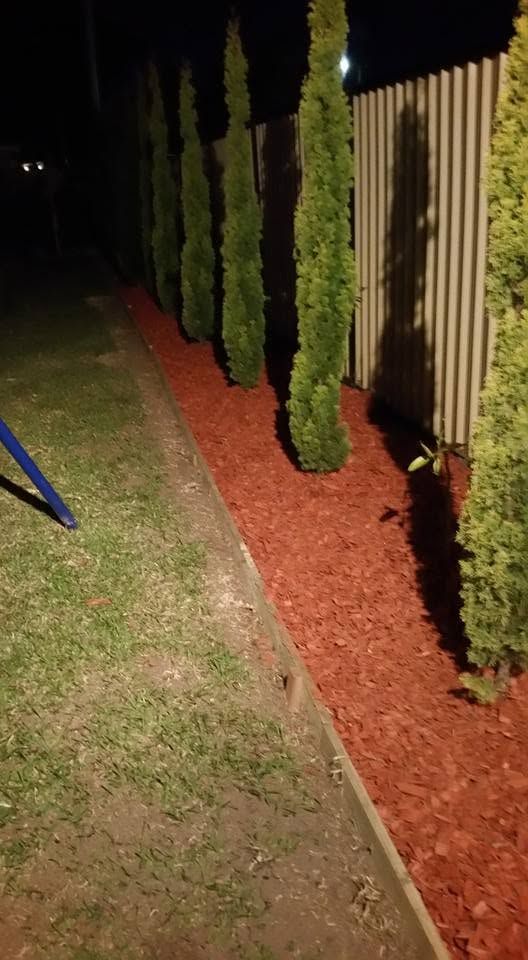
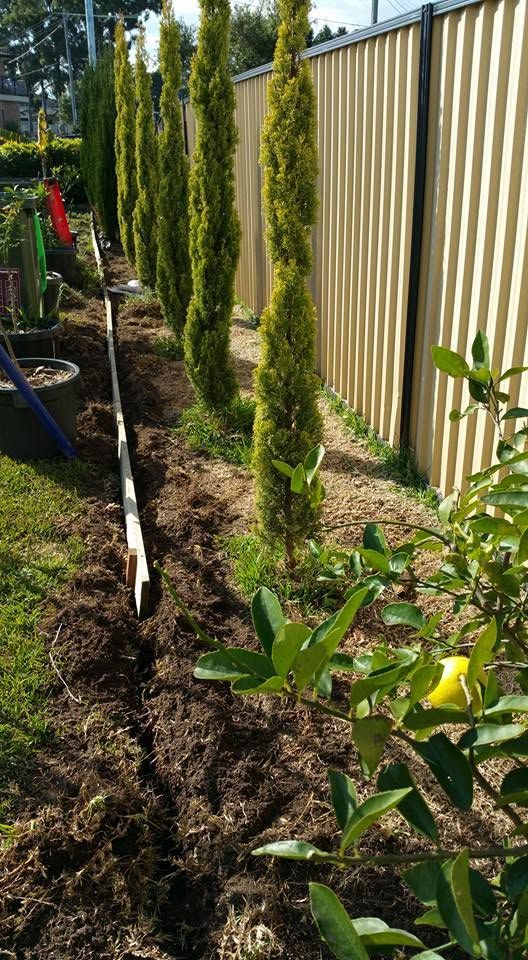
Screening hedges established and maintained — conifer screening planted along the fence line and kept in shape as it grows.
Like this result? Text your photos to Frank for a free quote: 0448 651 893
No call centre, no franchise manager, no changing crew. The person who quotes your job from the photos is the same person who turns up and does it — with 25+ years of practical experience and a 4.8-star rating from 385 completed-job reviews behind him.
Frank works the North-West and Western Sydney corridor. If your suburb isn't listed, text and ask — it's usually a quick yes or no.
Rouse Hill · Box Hill · Kellyville · Tallawong · Marsden Park · Schofields · Quakers Hill · Baulkham Hills · Castle Hill · All areas we service
Most jobs in North-West Sydney fall between $180 and $350. A small front hedge starts around $70, a standard two to three metre boundary hedge usually runs $180 to $350, and a badly overgrown hedge needing a full reduction can reach $985 to $1,425. It's priced on time and green waste rather than per metre, so height, thickness, access and how much has to come off all move the number. Text photos and your suburb to 0448 651 893 and you'll usually get a firm price without a site visit.
Fast growers like lilly pilly, photinia and privet want a light cut every six to eight weeks through the growing season. Murraya and slower viburnums sit closer to eight to twelve weeks. Buxus and established conifers usually need two or three cuts a year. Small and regular beats one big cut — that's what leaves a hedge thin and leggy.
Late winter to early spring is the window for a harder shaping cut, before the new growth pushes. Through spring and summer, light maintenance trims hold the shape. Heavy cuts in the peak of summer heat are best avoided, because freshly exposed inner foliage can scorch.
It depends on the plant species and its condition. Lilly pilly and viburnum tolerate a hard cutback. Conifers and some box hedges won't reshoot from bare brown wood, so cutting into it leaves a permanent hole. Frank will discuss what's achievable and safe for your particular plants.
Almost always a trimming fault rather than a plant problem. A hedge cut straight up and down — or narrower at the base than the top — shades out its own lower foliage and thins exactly where you wanted the screening. The fix is a slight taper so the base sits wider than the top and light reaches the bottom.
That's lilly pilly psyllid, a sap-sucking insect that pimples and deforms the new growth. Trimming off affected tips as they appear is the practical control, and older susceptible varieties suffer worse than the newer resistant ones.
Yes — loose clippings are collected as part of the job, and full green-waste removal is included when quoted. On a long overgrown hedge the waste volume is a real part of the cost, which is why photos help.
Frank can trim your hedge back to the boundary line from your side. Anything requiring access to a neighbouring property needs their permission first, which is worth sorting before the visit.
Yes — it's one of the most common items on an end-of-lease or pre-sale tidy up, and it's usually combined with a full clean up in the same visit.
Large tree removal and high climbing work need a qualified arborist. Frank handles hedges, shrubs and small manageable growth, and will point you in the right direction for anything beyond that.
Related services: Garden Clean-Ups · Regular Maintenance · End-of-Lease Clean-Ups · Mulching & Waste Removal
Text a few photos of the lawn or garden to Frank with your suburb, and you will usually get an idea of price without a site visit.